
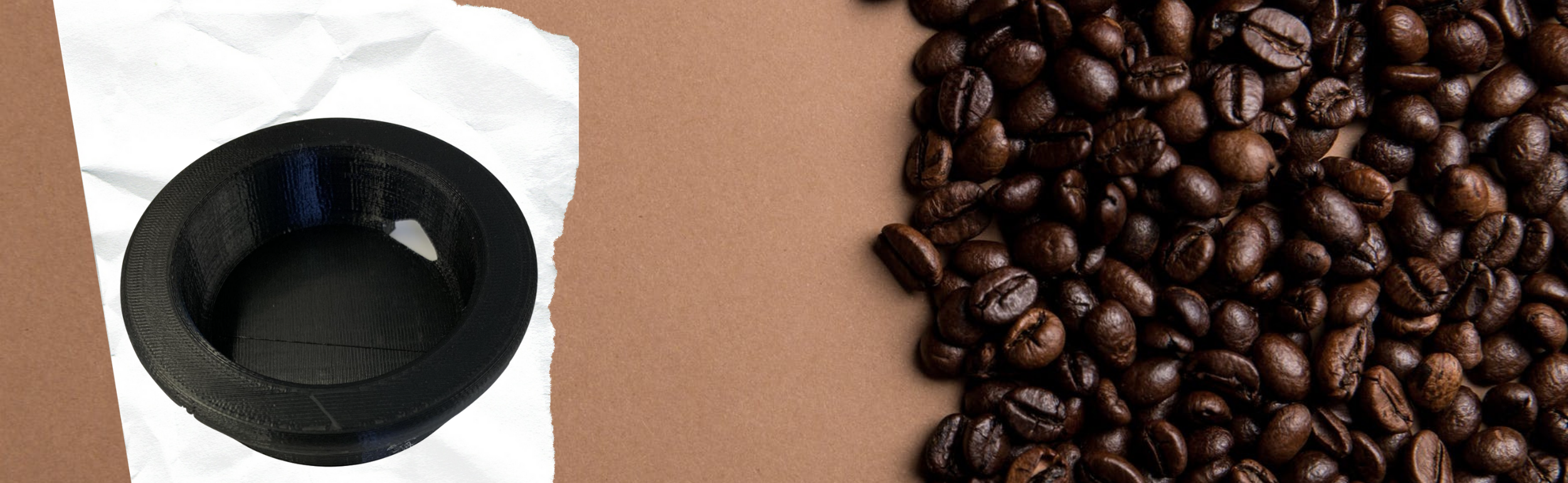
The Neat Lid
Overview
Drinking coffee on-the-go is a staple of the morning routine for college students and the working class around the nation. As an investment to their coffee addictions, people buy reusable thermoses to reduce single-use waste and save money on their daily café trips. The Neat Lid offers those who use reusable drink containers a slosh-proof, easy-to-clean, and easy-to-cool drinking experience.
Timeline
2 weeks
Team
Jeremy B., Nishat C., John H.
Roles
Product Engineer, User Researcher
Tools
SolidWorks, 3D Printing, Google Workspace
Objective
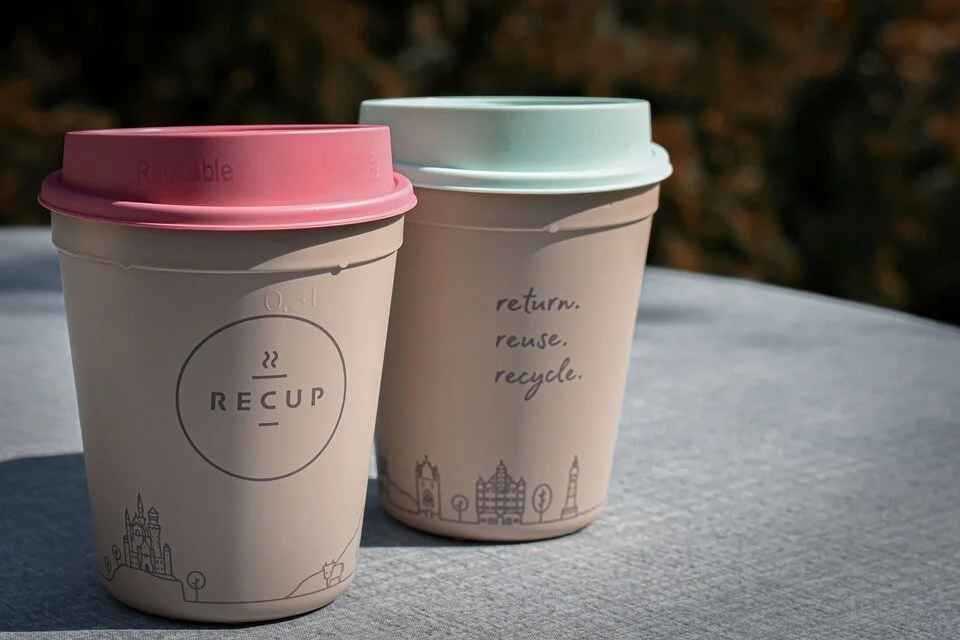
The Neat Lid is the result of the first project in our Human-Centered Design Course at Columbia University. The goal of this project was to redesign an existing drinking container that would promote an overall better drinking experience for people. We focused on reusable coffee mugs.
Initial Design Opportunity
College students love their morning coffee! By bringing their own reusable thermos to their favorite café, a student can save money on their morning drink and ensure it will stay nice and warm as they enjoy their coffee in class. But how does one choose the right thermos for their needs? The lid makes a big difference! Our initial user interviews revealed that a user’s favorite thermos designs were attributed mostly to the lid design. Thus, we focused our energy on upgrading the thermos lid.

User Research
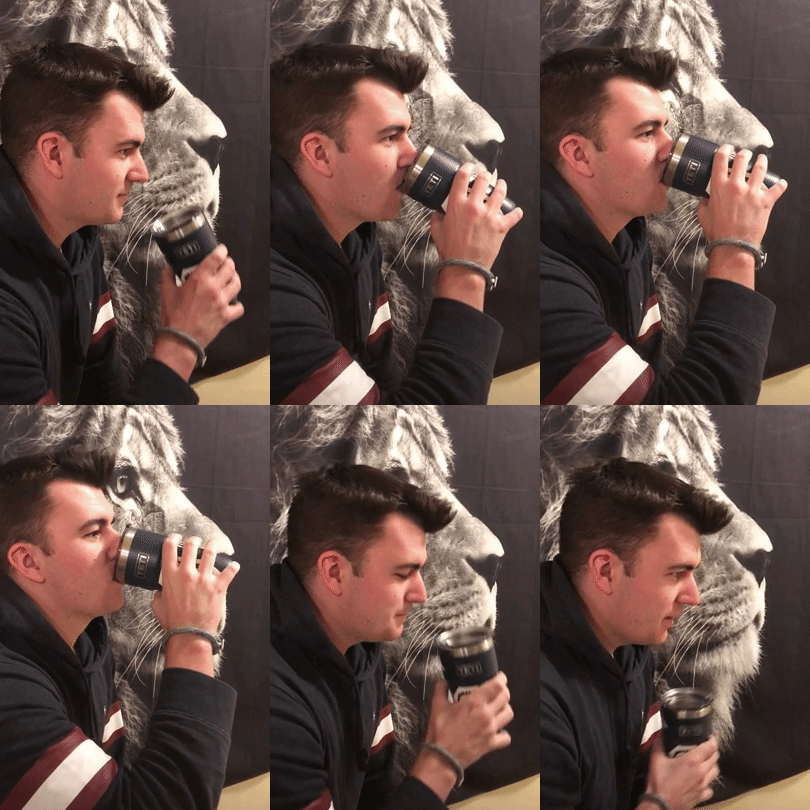
How do people drink their coffee? This was the first question we asked ourselves. Then we asked our friends if we could record them as they drank their morning coffee. This is what we noticed.

José A.
Drinks coffee from travel mug with lid
Sam J.
Uses Yeti cup with lid that’s always open

Lithu M.
Removes lid when drinking her coffee
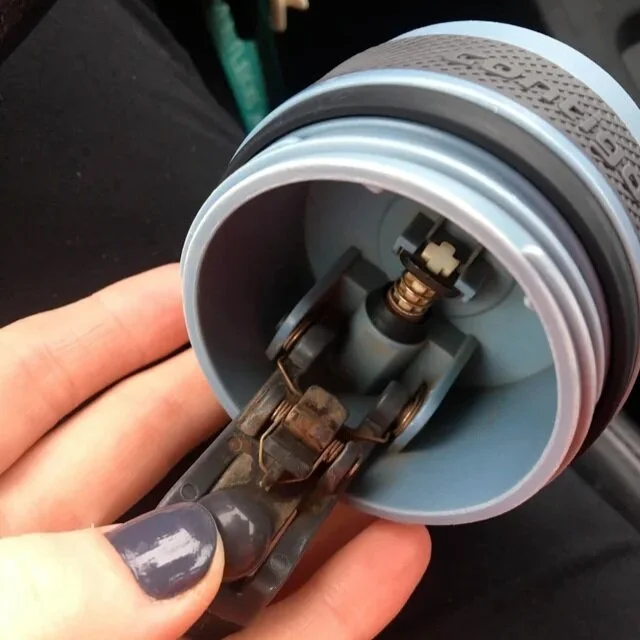
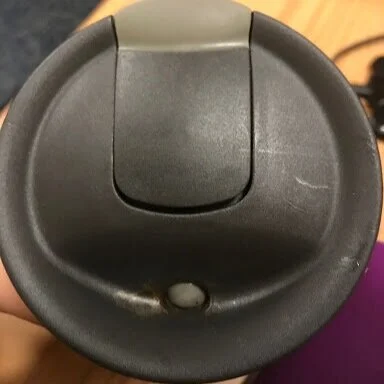
We then took a closer look at their lids and asked what they would describe as the cons of their lids.
1) Leakproof lids are difficult to clean
2) People take off entire lids to cool drinks down
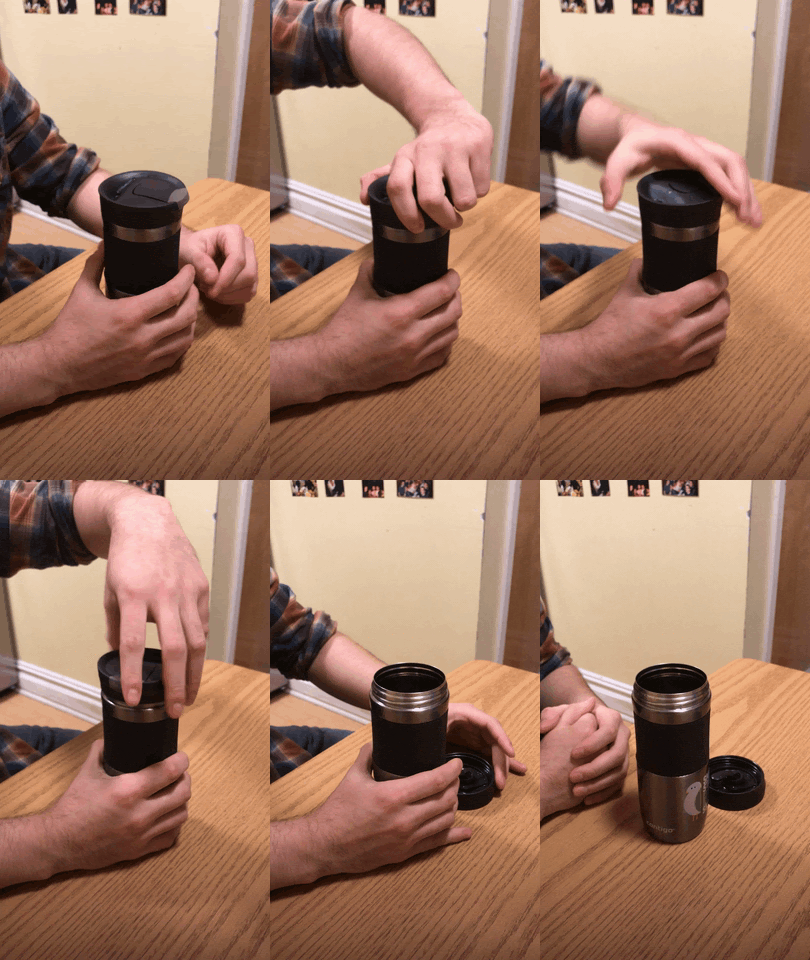
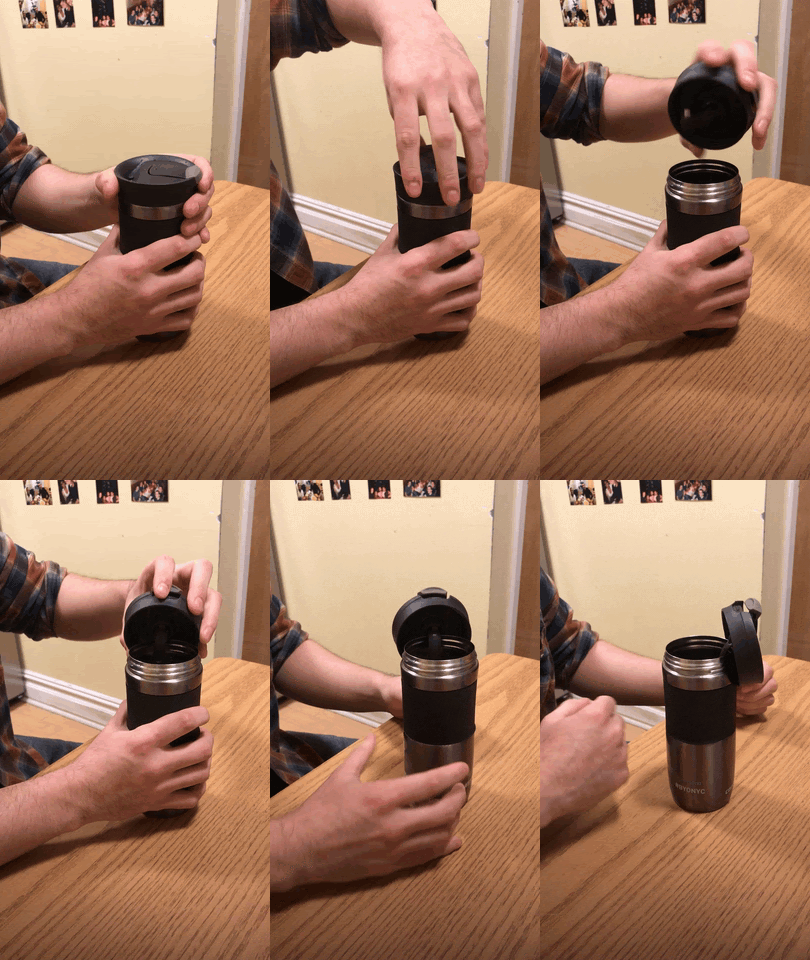
We also paid close attention to what people said about their cups.
“Love the Corkcicle lids because they slide closed. The seal on ours had become sloppy and the new one’s all unstained and clear. Made our mugs new again!.”
— Maryanne S.
(Review from corkcicle.com)
“Yeti cup doesn’t have something to seal the cup at all ... so it spills if you turn it.”
— Carlos P.
“Good addition to the tumbler I got for my husband. It’s black so it won’t show the coffee stains like the clear lid started to from his last tumbler over time.”
— Dolores K.
(Review from corkcicle.com)
Our user research made it easy to see what people wanted from their reusable coffee mugs.
Design Objectives
1) Slosh-proof lid for on-the-go travel
2) An easy-to-clean container that would save the user time in their day
3) Design that allowed for easy cooling of extremely hot liquids
Literature Research
The next step in our design process included studying existing products to gather insights on how to make a better lid for coffee drinkers.
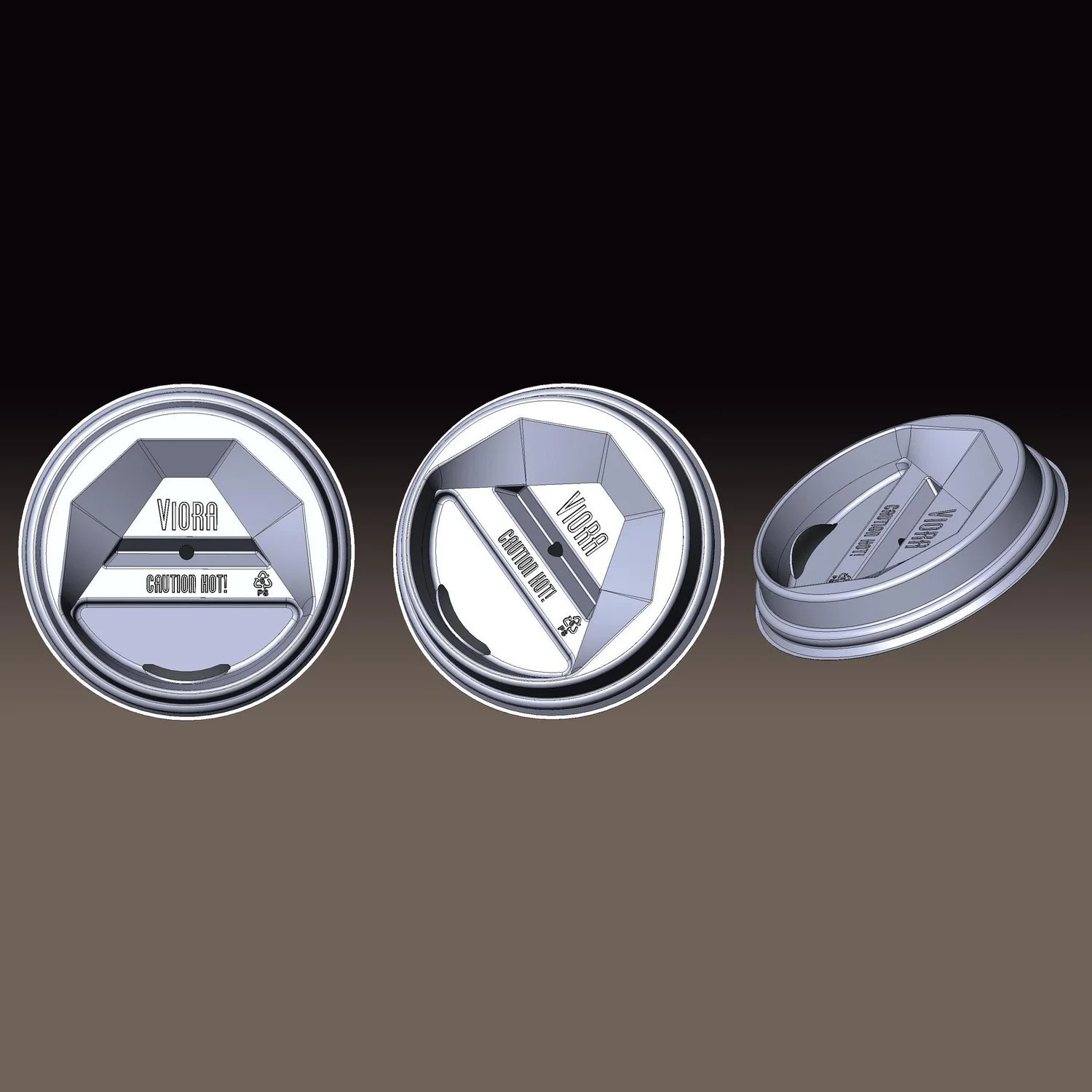
The Viora Lid
This lid uses a vertical opening to reduce spills and to give the user a similar experience to drinking out of an opened-top cup. This lid is currently meant to replace only disposable coffee lids.
(Image from vioralid.com)
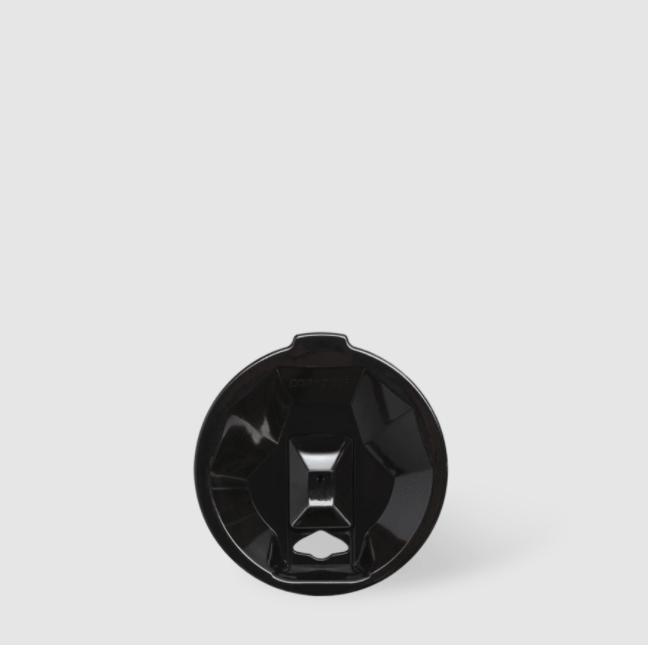
The Corkcicle Lid
Corkcicle allows users to buy lids individually as replacements for broken or defective lids that come with their tumblers. This design needs to be taken apart for the lid to be fully cleaned.
(Image from corkcicle.com)
These two lids served as inspiration for our design process.
Design Iterations
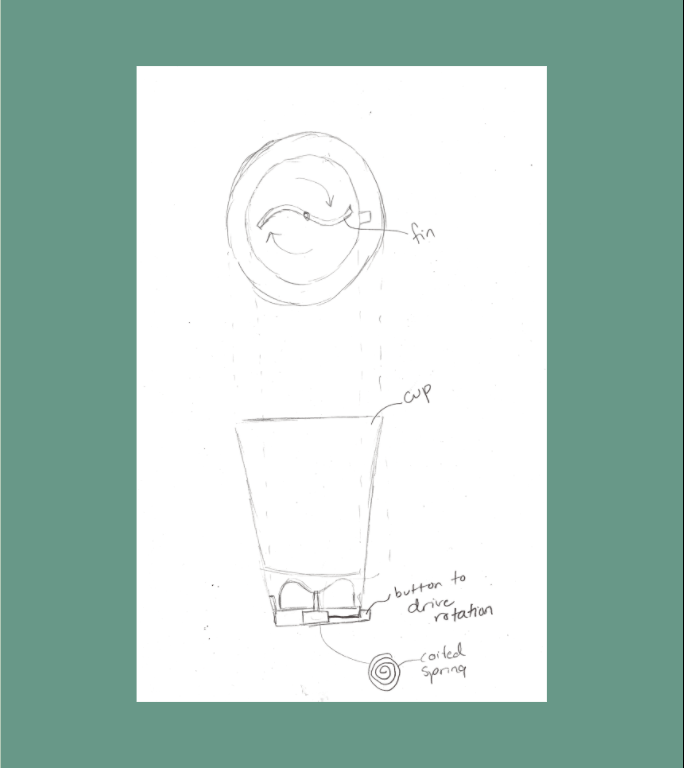
Version 1
One of the first designs we considered focused on incorporating a propeller at the bottom of the thermos that would allow for cooling without the removal of the lid.
Advantages
Propeller enhances cooling of the drink
Disadvantages
The propeller mechanism may not be air-tight
Multiple small components would make this design difficult to clean
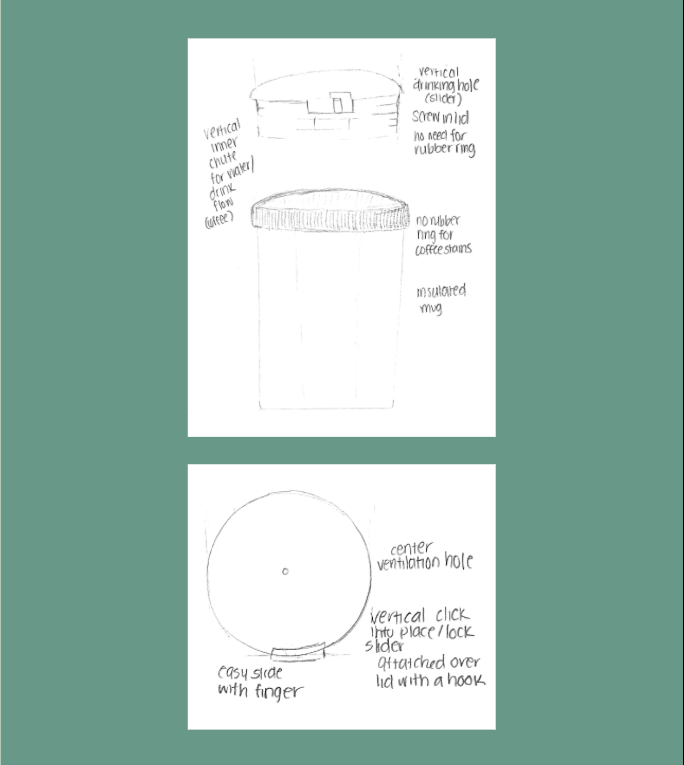
Version 2
The second design was our first attempt at including a vertical drinking hole to make the cup slosh-proof. This design, however, would still require the user to fully remove the lid to cool down their drink.
Advantages
Screw-top lid is easier to clean
Vertical drinking hole makes the mug slosh-resistant
Disadvantages
Not air-tight
No mechanism for affixing lid; cooling drink requires more space
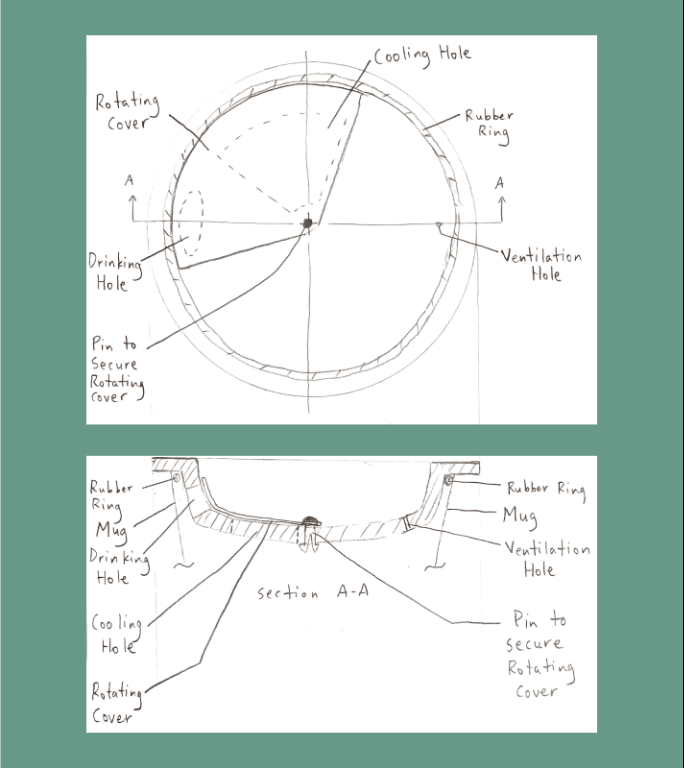
Version 3
Our third design incorporates two holes within the lid, one for drinking and the other for cooling. The design also includes detachable elements that are easy to clean, but consistently removing the pieces could wear down the components making the lid unusable.
Advantages
Vertical drinking hole makes the mug slosh-resistant
All elements detachable; easy to clean
Disadvantages
The cooling hole is small in comparison to when the entire lid is removed thus cooling process would be longer
The pin holding the spinning mechanism in place will loosen with time
Not air-tight
Version 4
Advantages
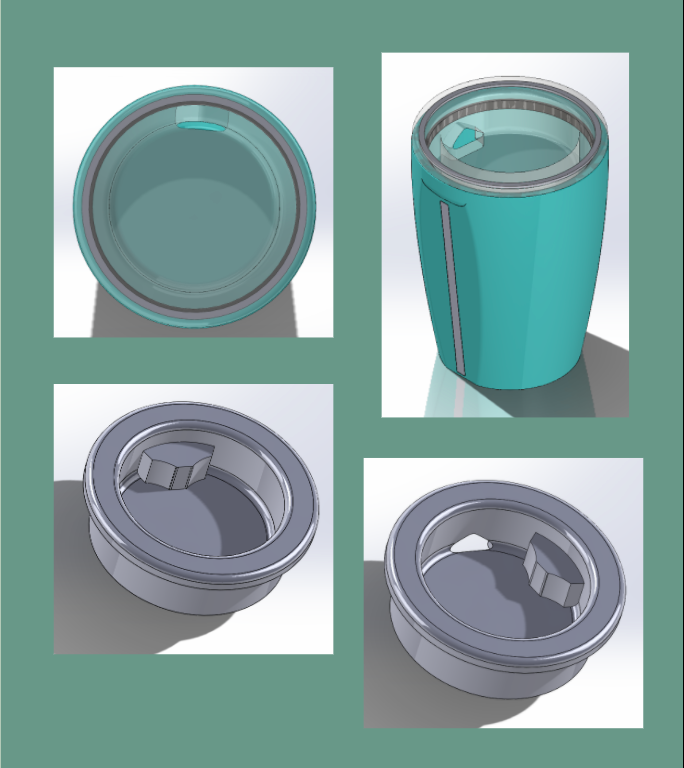
L-shaped vertical drinking hole makes the mug slosh-resistant
Removable dark rubber ring to hide coffee stains & clean easily
Easy cooling thanks to the inclusion of magnetic strips
Sliding cover for the drinking hole makes it spill-resistant
Disadvantages
Expensive to manufacture compared to previous designs due to magnetic elements
Version 5
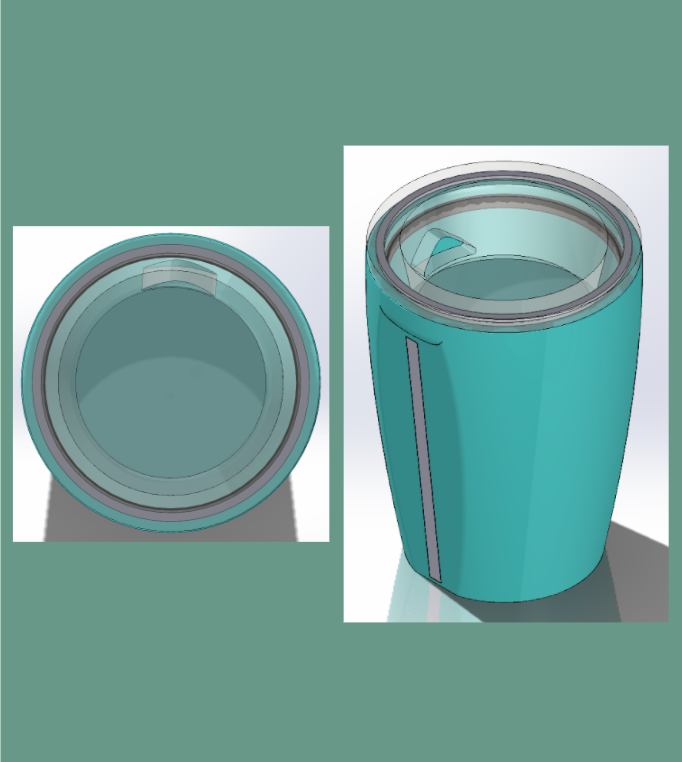
The fifth design was one of our simplest and sleekest designs. By including a magnetic strip on the side of the coffee mug, the magnetic lid could easily be removed and placed on the side for easy cooling.
Advantages
Easy cooling thanks to the inclusion of magnetic strips
Vertical drinking hole slosh-resistant
Removable dark rubber ring to hide coffee stains and clean easily
Disadvantages
Not air-tight
Tight angle for drinking hole means the flow of coffee will be low
Expensive to manufacture compared to previous designs due to magnetic elements
Final Prototype
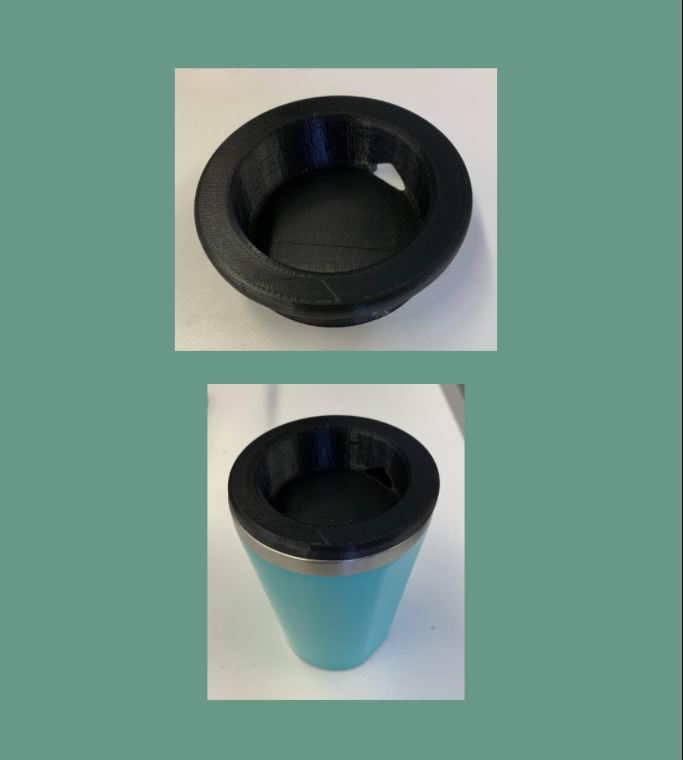
After reviewing the advantages and disadvantages of our designs, we presented version 5 as our final prototype. The sleek design met the three design objectives we had originally set out to meet. In addition, this design was easy to manufacture with a 3D printer.
Lessons Learned
Pay close attention to the user.
We learned so much from simply watching users interact with their thermoses. In this case, the pain points of the user experience were more evident and clear through visual analysis than through questioning.
Include brainstorming ideas that seem impossible.
Sure, a self-cleansing coffee lid might seem far-fetched but keeping an idea to oneself can hurt the brainstorming process. We made sure to mention all of the impossible ideas that came to mind because we knew they could inspire new designs and get us closer to a real solution.
Initial prototypes don’t require high tech.
3D printers definitely make it easier to bring physical ideas to life, but they are time-consuming and aren’t always necessary. This project taught us that rapid prototyping can also include prototypes made by using cardboard, scissors, and glue. The most important aspect of prototyping, after all, is to get your idea across to others.